Diabetes Management
How to Lower Your A1C: A Practical, Evidence-Based Guide

If you have just been told your A1C is too high, the number can feel like a verdict. It is not. A1C is a moving average, and averages respond to change — usually within weeks, not years.
Here is what actually moves that number: how you build meals, what you do in the half hour after them, how you sleep, and whether your medications still fit. None of it requires a perfect week.
Worth settling up front: lowering your A1C is not the same as lowering it fast. The approaches that drop it quickest tend to rebound hardest, and some are unsafe without a matching change to your treatment.
What Your A1C Actually Measures — and Where It Falls Short
Glucose in your bloodstream attaches to hemoglobin, the protein inside red blood cells. A1C measures what share of your hemoglobin carries glucose, which estimates your average blood glucose over roughly the past three months, according to the National Institute of Diabetes and Digestive and Kidney Diseases.
The standard diagnostic cut points are:
- Below 5.7% — normal
- 5.7% to 6.4% — prediabetes
- 6.5% or above — diabetes, generally confirmed with a repeat test
The CDC counts 115.2 million US adults with prediabetes — more than 2 in 5 — and reports that 8 in 10 of them do not know they have it.
Not all three months count equally: NIDDK notes the past 30 days affect the result most, so a rough recent stretch can lift the number even if earlier weeks were steady. A1C also averages away swings: someone bouncing between 50 and 300 mg/dL and someone sitting near 160 all day can post a similar result.
For some people the test is unreliable outright. Sickle cell disease and other hemoglobin variants, iron-deficiency anemia, recent blood loss or transfusion, kidney failure, hemodialysis and liver disease can all skew it. If any apply, ask your clinician whether a CGM or another test would give a truer picture.
That is where time in range helps. If you wear a CGM, the American Diabetes Association suggests aiming for at least 70% of readings between 70 and 180 mg/dL, while noting there is no universal goal — set yours with your care team.
What A1C Target Is Right for You?
For many non-pregnant adults, the American Diabetes Association Standards of Care point to an A1C below 7% as a reasonable goal — the range where long-term risk to eyes, kidneys and nerves falls meaningfully.
The Standards are explicit, though, that targets should be individualized. A tighter goal such as below 6.5% may suit someone recently diagnosed and otherwise healthy, provided it is reachable without significant hypoglycemia. A less stringent goal fits an older adult with frailty, someone with a history of severe hypoglycemia or hypoglycemia unawareness, or someone with advanced heart, kidney or cognitive disease — for them, the harm of a low outweighs the benefit of a lower average.
Targets also shift in pregnancy, where goals are tighter and A1C tends to read low because red cells turn over faster; our page on gestational diabetes covers that.
Your target is a judgment call worth making deliberately rather than inheriting by default, and it is one of the first things TopInspired.com reviews with a new patient. The ADA suggests checking A1C at least twice a year at goal, and every three months if you are not at goal or your treatment has changed.
How to Lower Your A1C With Food: Quality and Distribution
Carbohydrate drives post-meal glucose more than any other nutrient, but "cut carbs" is a blunt instruction that often backfires. Two more specific ideas do more work.
Quality. Intact, fiber-rich carbohydrate — beans and lentils, whole grains, whole fruit, starchy vegetables — raises glucose more slowly than refined flour, juice and sweetened drinks. Liquid sugar acts fastest and is the easiest thing to remove.
Distribution. The same carbohydrate spread evenly across three meals tends to produce lower peaks than a small breakfast and an enormous dinner. Many people find their biggest spike follows a carb-heavy breakfast, when insulin resistance is often highest.
Two habits help without any counting. Build the plate so half is non-starchy vegetables, a quarter protein, a quarter carbohydrate. And eat vegetables and protein before the starch — food-order studies in Diabetes Care found lower post-meal glucose from the same meal eaten in a different order.
Protein and fat do not raise glucose sharply, but very large or high-fat meals can cause a delayed rise hours later — a normal two-hour reading, then a high one at bedtime. Our overview of type 2 diabetes explains how insulin resistance shapes these patterns.
Why Moving Soon After Meals Works So Well
Contracting muscle pulls glucose out of the bloodstream through a pathway that does not depend on insulin. That is why a short walk after eating can flatten a post-meal peak even when nothing about the meal changed.
Timing may matter as much as duration. In a 2016 crossover study of 41 adults with type 2 diabetes, a 10-minute walk after each main meal lowered post-meal glucose more than a single 30-minute daily walk — the same total time — with the biggest effect after dinner. An after-dinner walk is a sensible place to start.
The weekly target still applies. NIDDK points to at least 150 minutes of moderate-intensity activity such as brisk walking each week, plus muscle-strengthening on two days. Resistance training matters more than people expect — more muscle means more places for glucose to go.
If you take insulin or a sulfonylurea, added activity can also cause lows. Ask your clinician whether doses or timing need adjusting before you sharply increase how much you move.
Sleep, Stress and the Levers People Forget
Short sleep can raise insulin resistance by the very next morning, not months later. NIDDK points to roughly seven to eight hours a night for most adults. If your glucose runs stubbornly high overnight despite good habits, untreated obstructive sleep apnea is worth asking about.
Stress hormones raise glucose directly, signaling the liver to release stored sugar — which is why a punishing month at work can show up in a lab result, and why "but I didn't change my diet" is often perfectly true.
Illness does the same more sharply, and so do steroids: a course of prednisone can lift glucose substantially for as long as it lasts. Thyroid disorders and other hormonal conditions can affect control too. If your numbers do not match your effort, raise it with your clinician rather than simply trying harder.
Medication Optimization Is Not a Personal Failure
Type 2 diabetes is progressive for many people: the insulin-producing beta cells in the pancreas tend to lose capacity over time regardless of effort. In type 1 diabetes, insulin is not optional at all — it replaces a hormone the body no longer makes.
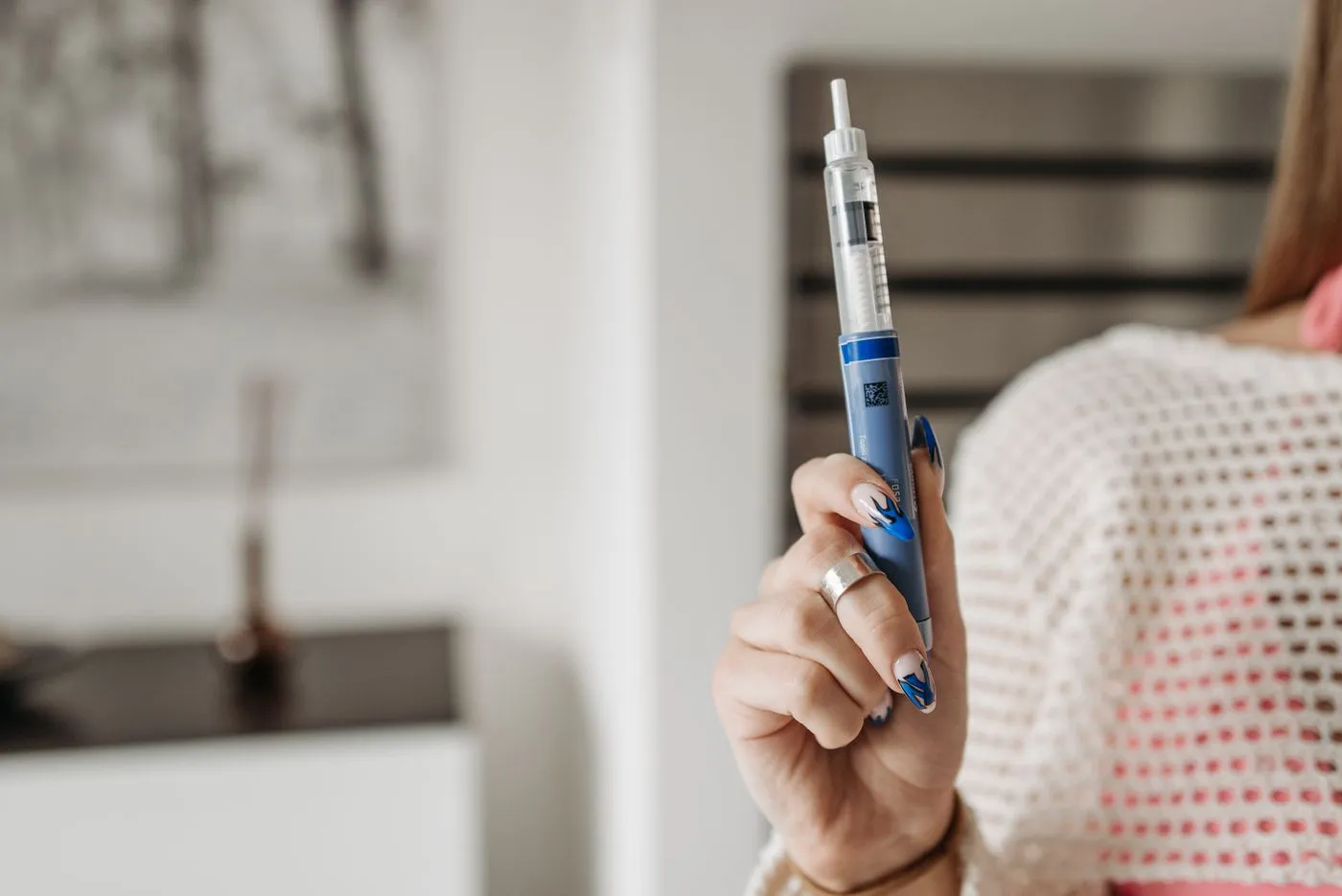
Reviewing the regimen is often the fastest lever, because the drug classes do different jobs. Metformin reduces glucose production by the liver. GLP-1 receptor agonists and dual GIP/GLP-1 agonists improve glucose-dependent insulin release, slow stomach emptying and reduce appetite. SGLT2 inhibitors prompt the kidneys to excrete glucose and carry cardiovascular and kidney benefits for many people. Insulin replaces what the pancreas cannot supply. Which fits depends on your kidney function, heart history, weight, hypoglycemia risk and cost.
Every dosing decision belongs with your prescriber — as does whether your current plan still fits. Never start, stop or change a dose on your own. Plenty of people stay on a regimen that stopped matching their biology years ago.
Why Crash Approaches Backfire — and How Lows Are Treated
Very aggressive, short-lived changes tend to fail twice over. They rarely last, so the A1C climbs back. And without matching medication adjustments, they can cause hypoglycemia.
Lows are not merely unpleasant. They are a main reason targets get loosened, and they can start a cycle: a frightening low leads to over-treating with fast sugar, then a high, then a correction, then another low.
For a low you can still treat yourself, the CDC describes the 15-15 rule: 15 grams of fast-acting carbohydrate, such as 4 ounces of juice or regular soda, then wait 15 minutes, recheck, and repeat if you are still below 70 mg/dL. High-fat foods like chocolate slow absorption, so they make poor rescue choices.
The CDC considers a reading below 55 mg/dL severely low. At that point you may not be able to check or treat yourself, so glucagon, given by injection or nasal powder, is the recommended treatment, someone with you may need to give it, and a doctor should be contacted for emergency care immediately afterward. If severe lows are a realistic risk for you, ask your clinician whether you should have glucagon on hand.
The more useful response after any low is not a better rescue. It is asking your care team why it happened.
How Long Until Your A1C Changes — and When to See a Specialist
Daily readings and CGM data respond within days, but A1C typically shows a partial shift around six weeks and a fuller one at three months. Retesting at four weeks mostly produces discouragement.
Gradual is also safer. Rapid, large A1C reductions can worsen diabetic retinopathy in the short term, mainly in people starting from a high A1C or with existing eye changes. That is a reason to keep up your yearly dilated eye exam, not a reason to leave the number alone.
Consider a specialist review if your A1C stays above target after a few months of real effort, if you have frequent or unpredictable lows or hypoglycemia unawareness, if you want pump or CGM settings tuned, if you are pregnant or planning to be, or if another hormonal condition may be involved.
TopInspired.com offers endocrinology and diabetes care through both in-person and virtual consultations, and you can book a consultation to review your target, your data and your current regimen together.
Frequently asked questions
How much can I realistically lower my A1C in three months?
It depends on where you start and what changes. People with higher starting numbers generally see larger drops, and combining food changes, activity and a medication adjustment usually does more than any single change alone. Rather than fixing on a specific figure, focus on consistency and let the three-month lab result show you what worked. Your clinician can set a realistic interim goal with you.
Can I lower my A1C without medication?
Sometimes, particularly with prediabetes or recently diagnosed type 2 diabetes, where food, activity, sleep and weight changes can be enough. For many others the pancreas is not producing sufficient insulin, and no amount of lifestyle effort closes that gap. Never stop or reduce a prescribed medication on your own to test this. Ask your clinician to plan any reduction safely.
Does one bad week ruin my A1C?
No. A1C averages roughly three months of glucose exposure, so a single holiday, illness or stressful week barely registers. NIDDK notes that the most recent 30 days affect the result more than earlier months, so a rough stretch just before your blood draw can nudge the number upward. Patterns over time matter far more than individual days.
What is a good A1C for someone over 70?
Health status matters more than age alone. ADA guidance supports roughly below 7.0 to 7.5% for older adults who are otherwise healthy, with few chronic conditions and intact thinking, and less stringent goals such as below 8% for those with frailty, significant cognitive or functional limitation, or serious additional illness. The reason is hypoglycemia, which carries real risks including falls. Set this with your own clinician.
Why is my A1C high when my home glucose readings look fine?
Several explanations are common. You may be checking at times that miss your peaks, such as fasting only. Overnight and post-meal highs often go unseen without a continuous glucose monitor. Meter technique can drift. And some conditions, including anemia, hemoglobin variants and kidney disease, can make A1C read falsely high. Ask your clinician about CGM or an alternative test.
Sources
- NIDDK — The A1C Test & Diabetes
- American Diabetes Association — Standards of Care in Diabetes (2026)
- CDC — Diabetes Data and Research (national prevalence)
- CDC — Diabetes: A U.S. Report Card (prediabetes figures)
- CDC — Treatment of Low Blood Sugar (Hypoglycemia)
- American Diabetes Association — CGM & Time in Range
- NIDDK — Managing Diabetes
- NIDDK — Diabetic Eye Disease
Published September 19, 2026 by the TopInspired.com editorial team. This article is educational and is not a substitute for advice from your own clinician — see our medical disclaimer.
Keep reading
More from the TopInspired.com blog

Continuous Glucose Monitor: A Beginner's Guide to Reading Your CGM Data
How a continuous glucose monitor works, what your AGP report is telling you, the time-in-range targets most adults aim for, and when to trust a fingerstick.

Prediabetes Diet Plan: What to Eat to Bring Your Numbers Down
What the evidence supports for a prediabetes diet: the plate method, fiber-rich foods, the 5-7% weight target, and a realistic sample day of eating.
GLP-1 Medications Explained: How They Work, What They Help, and What to Watch For
How GLP-1 and dual GIP/GLP-1 medications work, what the evidence shows for glucose, weight, heart and kidney health, and the risks worth knowing first.