Treatment
GLP-1 Medications Explained: How They Work, What They Help, and What to Watch For
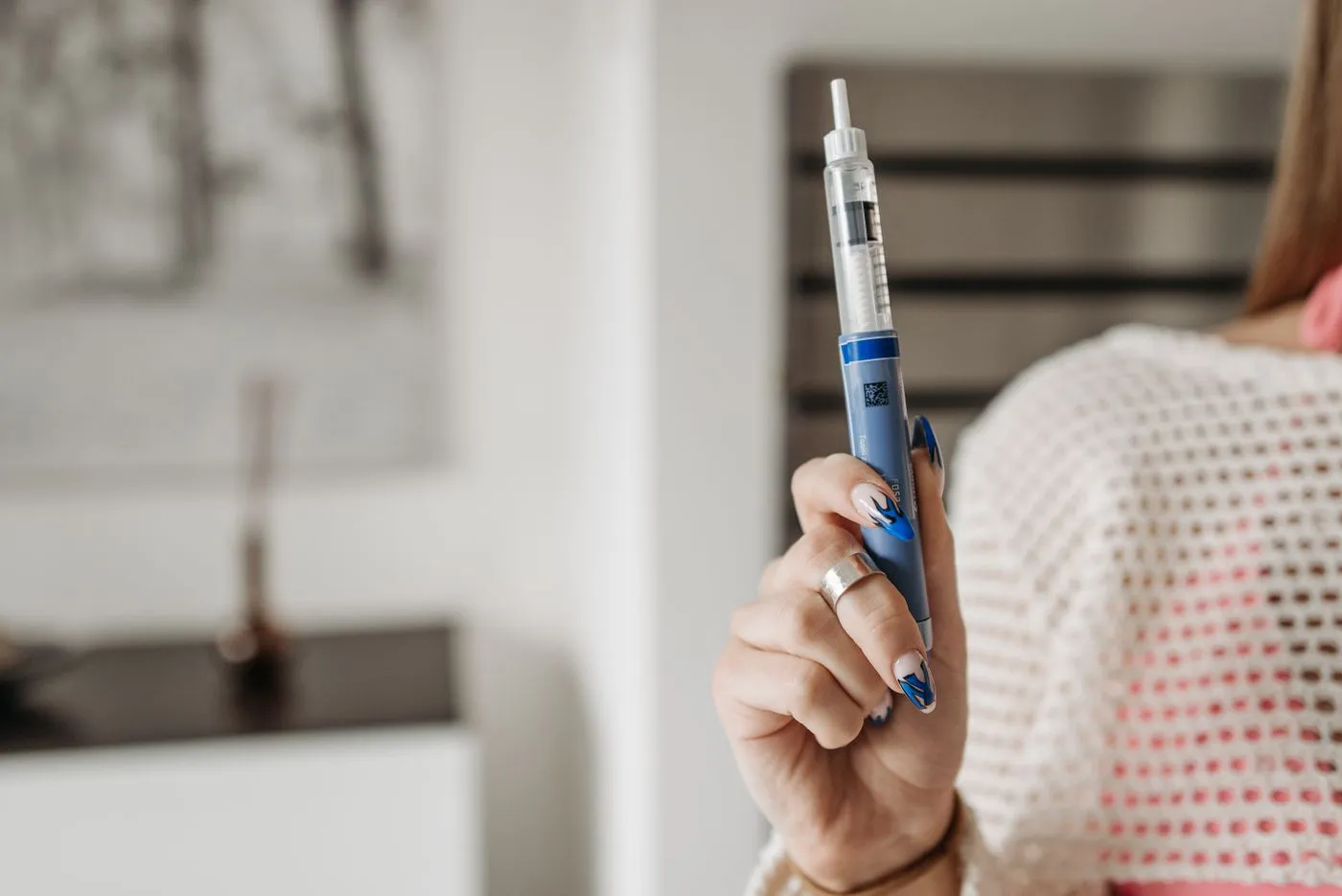
GLP-1 medications have gone from a niche diabetes injection to one of the most discussed drug classes in American medicine. Much of what patients hear comes from ads, social feeds, and a friend's experience, and little of it explains what these drugs actually do in the body.
GLP-1 receptor agonists prolong a hormone signal your gut already sends after a meal, influencing insulin release, stomach emptying, and appetite at once. Some have also lowered the risk of heart attack, stroke, and kidney decline in large trials.
They are also not right for everyone, they carry real side effects, and they work best inside a broader plan. Here is what the evidence supports.
What Are GLP-1 Medications, and How Do They Work?
GLP-1 stands for glucagon-like peptide-1, a hormone your intestine releases when food arrives. It is one of the incretins, gut hormones that alert the pancreas to an incoming meal. Natural GLP-1 is broken down by enzymes in about two minutes. GLP-1 receptor agonists resist that breakdown, so the signal lasts hours or days depending on the drug. Most are injected daily or weekly, and oral tablets are now approved too.
Sustaining that signal does several things:
- Glucose-dependent insulin release. The pancreas releases more insulin when blood sugar is high and less when it is not, so on their own these medications carry a low risk of hypoglycemia, unlike insulin or sulfonylureas.
- Less glucagon after meals. Glucagon tells the liver to release stored sugar. Dampening it helps limit post-meal spikes.
- Slower stomach emptying. Food leaves the stomach more gradually, flattening the glucose curve and prolonging fullness. This effect is strongest after starting or increasing a dose and tends to lessen over time.
- Appetite signals in the brain. GLP-1 receptors in the hypothalamus and brainstem influence hunger and fullness.
In type 2 diabetes, these effects combine to lower A1C, and the weight loss that often follows can improve insulin sensitivity. GLP-1 medicines are not a substitute for insulin in people who need it.
Dual GIP/GLP-1 Medications: How Tirzepatide Differs
Glucose-dependent insulinotropic polypeptide, or GIP, is a second incretin hormone that also boosts insulin release after meals. Tirzepatide activates both the GIP and GLP-1 receptors from a single molecule, and as of 2026 it is the only dual GIP/GLP-1 agonist approved in the United States.
The ADA's Standards of Care note that the largest A1C reductions come from treatment plans that include insulin, select GLP-1 receptor agonists (particularly semaglutide), and tirzepatide. In the SURMOUNT-5 trial, a 72-week head-to-head comparison in adults with obesity but without type 2 diabetes, average weight loss was 20.2% with tirzepatide versus 13.7% with semaglutide. Individual results vary widely, and gastrointestinal side effects were the most common problem with both.
Beyond A1C: The Heart and Kidney Evidence Behind Current Guidelines
Cardiovascular outcome trials in people with type 2 diabetes found that certain GLP-1 receptor agonists reduce major adverse cardiovascular events: heart attack, stroke, or cardiovascular death. The SELECT trial extended the question to 17,604 adults aged 45 or older with established cardiovascular disease and overweight or obesity but no diabetes. Semaglutide lowered the risk of those events by 20% compared with placebo.
The FLOW trial enrolled 3,533 adults with type 2 diabetes and chronic kidney disease. Over a median of about 3.4 years, semaglutide lowered the risk of the main kidney outcome (kidney failure, a sustained drop of 50% or more in kidney function, or death from kidney or cardiovascular causes) by 24%. A published FLOW analysis also reported an 18% lower risk of cardiovascular death, heart attack, or stroke and a 20% lower risk of death from any cause, regardless of kidney disease severity. In January 2025, the FDA approved semaglutide (as Ozempic) to reduce the risk of worsening kidney disease and cardiovascular death in this group.
As a result, the American Diabetes Association's Standards of Care in Diabetes recommends an SGLT2 inhibitor and/or a GLP-1 receptor agonist with demonstrated benefit independent of A1C for adults with type 2 diabetes and established or high risk of atherosclerotic cardiovascular disease, heart failure, or chronic kidney disease. So someone whose glucose is already at target may still be a candidate, and which class fits best depends on the specific condition.
Common GLP-1 Side Effects, and Why Slow Dose Increases Matter
The most common side effects are gastrointestinal and largely predictable from the mechanism. MedlinePlus lists nausea, vomiting, diarrhea, stomach pain, constipation, heartburn, burping, and headache among the side effects of semaglutide injection, and decreased appetite is common with tirzepatide. Nausea tends to be worst in the first days after starting or increasing a dose, and for many people it eases over several weeks.
That adaptation is why prescribers typically start at a low dose and increase gradually, slowing or pausing when symptoms are rough. Smaller portions, eating slowly, stopping at the first sense of fullness, going easy on greasy food, and staying hydrated often help. Hydration matters because persistent vomiting or diarrhea can cause dehydration, which can harm the kidneys.
Contact your clinician promptly about severe stomach pain that may spread to your back, with or without vomiting, which can signal pancreatitis, or yellowing of the skin or eyes. If you are having surgery, including dental surgery, tell the care team you take one of these medications.
Who Should Not Take a GLP-1 Medication?
Semaglutide and tirzepatide carry a boxed warning, the FDA's most prominent label warning, because they caused thyroid C-cell tumors in rodent studies. Whether they cause medullary thyroid carcinoma in humans is not known, but the labeling is clear about who should avoid them.
They are not appropriate if you have a personal or family history of medullary thyroid carcinoma or multiple endocrine neoplasia syndrome type 2 (MEN2), or a known serious allergy to the drug. While taking one, call your clinician right away about a neck lump or swelling, hoarseness, trouble swallowing, or shortness of breath.
Other histories need individual discussion rather than an automatic no: pancreatitis, gallbladder disease, diabetic retinopathy, kidney disease, and severe stomach problems such as gastroparesis. An underactive thyroid and other common thyroid conditions are not contraindications, but share your full thyroid history, including any nodules.
Pregnancy needs its own plan. Safety data in pregnancy are limited. MedlinePlus notes that doctors advise stopping semaglutide 2 months before a planned pregnancy; timing differs by medication, so plan it with your clinician. Tirzepatide may also make hormonal birth control less effective for several weeks after starting and after each dose change, so ask about a backup method.
This matters for people considering these medications for PCOS, renamed polyendocrine metabolic ovarian syndrome (PMOS) by global consensus in 2026, with both names in use during the transition. The 2023 international PCOS guideline says GLP-1 medications could be considered alongside lifestyle support for managing higher weight in adults with PCOS, with effective contraception when pregnancy is possible. It recommends using them for reproductive goals such as fertility only in research settings, and it flags limited long-term safety data.
Muscle, Nutrition, and What Happens If You Stop a GLP-1
Substantial weight loss, whether from medication, surgery, or diet, typically includes some lean tissue along with fat. With a smaller appetite, it is also easy to fall short on protein and other nutrients without noticing.
Clinicians commonly emphasize protein at each meal, regular resistance training, and watching for nutrient gaps during rapid weight loss. Older adults and anyone already at risk of low muscle mass may need closer monitoring.
Stopping matters too. In the STEP 1 trial extension, adults without diabetes had lost an average of 17.3% of their body weight on weekly semaglutide plus a lifestyle program. One year after both stopped, they had regained about two-thirds of that loss, and most cardiometabolic improvements drifted back toward baseline. That reflects obesity behaving as a chronic condition, not a failure of willpower.
If you have diabetes, stopping may also let blood sugar rise. Treat stopping as a planned decision made with your prescriber, not an abrupt lapse when a refill falls through.
Why Has the FDA Warned About Compounded GLP-1 Medications?
Compounded versions sold online and through some telehealth and med-spa channels are not FDA-approved, so the FDA does not review them for safety, effectiveness, or quality before they are marketed.
The FDA's page on unapproved GLP-1 drugs used for weight loss describes adverse event reports linked to dosing errors, some requiring hospitalization, and to doses given larger, more often, or escalated faster than approved labeling. It also flags counterfeit products, semaglutide salt forms that are different active ingredients from those in approved drugs, research-use-only products sold to consumers with dosing instructions, and injectables arriving without adequate refrigeration.
The FDA advises filling prescriptions at a state-licensed pharmacy. If affordability is the barrier, ask your prescriber about coverage, patient assistance programs, and approved alternatives.
A GLP-1 Is a Tool Inside a Plan, Not a Shortcut
A GLP-1 medication is one instrument in a plan that also includes food, movement, sleep, other medications, and monitoring. It does not replace those things, though for many people it makes them easier to sustain.
Some people are not candidates, some should wait, and some do better with a different class. Someone with prediabetes, for instance, may reach their goals through structured lifestyle change, with metformin considered for some higher-risk people. The right choice depends on glucose, weight, heart and kidney history, other medications, reproductive plans, and your own goals.
That full-picture evaluation is the focus of an endocrinology visit at TopInspired.com: reviewing your labs, cardiovascular and kidney risk, and history, then building a plan with you. You can see how our specialist team works or book an in-person or virtual consultation.
This article is general education, not personal medical advice; decisions about starting, changing, or stopping any medication belong with your own clinician.
Frequently asked questions
Do GLP-1 medications cause low blood sugar?
On their own, the risk is low. GLP-1 medications boost insulin release in a glucose-dependent way, so the effect lessens as blood sugar falls. The risk rises when they are combined with insulin or a sulfonylurea, and your clinician may adjust those medications when you start. Keep monitoring as advised, and report low readings or symptoms such as shakiness, sweating, or confusion promptly.
How long does nausea last on a GLP-1 medication?
For many people, nausea is worst in the first several days after starting or increasing a dose and eases over a few weeks. Smaller, slower meals, stopping at the first sign of fullness, and easing off greasy foods often help. Tell your prescriber if it is not improving, since the pace can usually be adjusted. Severe stomach pain or vomiting that stops you keeping fluids down needs prompt medical attention.
Can I take a GLP-1 medication if I only have prediabetes?
Sometimes. GLP-1 medications are not approved to treat prediabetes itself, but some are approved for chronic weight management in adults with obesity, or with overweight plus a weight-related health condition. The ADA notes that GLP-1-based weight management should be considered in people with overweight or obesity as part of diabetes prevention. Structured lifestyle change remains the best-studied first step, and metformin is considered for some higher-risk people.
Will I regain the weight if I stop taking a GLP-1 medication?
Often, at least partly. In the STEP 1 trial extension, adults who stopped weekly semaglutide and the accompanying lifestyle program regained about two-thirds of their lost weight within a year, and most cardiometabolic improvements drifted back toward baseline. That reflects the chronic nature of obesity rather than personal failure. If stopping becomes necessary, plan the transition with your clinician rather than letting a prescription lapse.
Are compounded GLP-1 medications the same as the brand versions?
No. Compounded products are not FDA-approved, so the FDA does not review them for safety, effectiveness, or quality. The agency has flagged dosing errors, counterfeit products, semaglutide salt forms that are different active ingredients from those in approved drugs, and research-use-only products sold to consumers. It advises filling prescriptions at a state-licensed pharmacy. If cost is the obstacle, ask your prescriber about coverage and approved alternatives.
Sources
- U.S. Food and Drug Administration: FDA's Concerns with Unapproved GLP-1 Drugs Used for Weight Loss
- MedlinePlus (NIH): Semaglutide Injection
- MedlinePlus (NIH): Tirzepatide Injection
- American Diabetes Association: Standards of Care in Diabetes
- American Diabetes Association: 9. Pharmacologic Approaches to Glycemic Treatment, Standards of Care in Diabetes 2025 (PMC)
- American Diabetes Association: 3. Prevention or Delay of Diabetes and Associated Comorbidities, Standards of Care in Diabetes 2026 (PMC)
- NIDDK (NIH): Insulin, Medicines, & Other Diabetes Treatments
- European Heart Journal (PMC): Cardiovascular outcomes with semaglutide by severity of chronic kidney disease in type 2 diabetes, the FLOW trial
- Nature Medicine (PMC): Effects of semaglutide with and without concomitant SGLT2 inhibitor use in the FLOW trial
- Nature Medicine (PMC): Long-term weight loss effects of semaglutide in obesity without diabetes in the SELECT trial
- Diabetes, Obesity and Metabolism (PMC): Weight regain and cardiometabolic effects after withdrawal of semaglutide, the STEP 1 trial extension
- American College of Cardiology: SURMOUNT-5 journal scan, tirzepatide vs semaglutide
- National Kidney Foundation: FDA Approves Ozempic for Type 2 Diabetes and Chronic Kidney Disease
- U.S. Food and Drug Administration: FDA Approves First New Molecular Entity Under National Priority Voucher Program (oral orforglipron)
- Annals of Pediatric Endocrinology & Metabolism (PMC): Glucagon-like peptide-1 and GLP-1 receptor agonists in the treatment of type 2 diabetes
- Recommendations from the 2023 International Evidence-based Guideline for the Assessment and Management of PCOS (ASRM)
- Endocrine Society: Polyendocrine Metabolic Ovarian Syndrome, new name for PCOS
Published September 19, 2026 by the TopInspired.com editorial team. This article is educational and is not a substitute for advice from your own clinician — see our medical disclaimer.
Keep reading
More from the TopInspired.com blog

How to Lower Your A1C: A Practical, Evidence-Based Guide
A clear guide to lowering your A1C: what the test measures, how targets are individualized, and the daily habits and treatments that actually move it.

Continuous Glucose Monitor: A Beginner's Guide to Reading Your CGM Data
How a continuous glucose monitor works, what your AGP report is telling you, the time-in-range targets most adults aim for, and when to trust a fingerstick.

Prediabetes Diet Plan: What to Eat to Bring Your Numbers Down
What the evidence supports for a prediabetes diet: the plate method, fiber-rich foods, the 5-7% weight target, and a realistic sample day of eating.